Students of the School of Natural Sciences at Bangor University were invited to attend a mock assessment centre, which mimicked assessment centres many expect to attend when applying for a job in future, particularly graduate positions. The assessment involved 2 tasks:
- A group problem-solving task
- A mock interview
Group Problem-solving Task
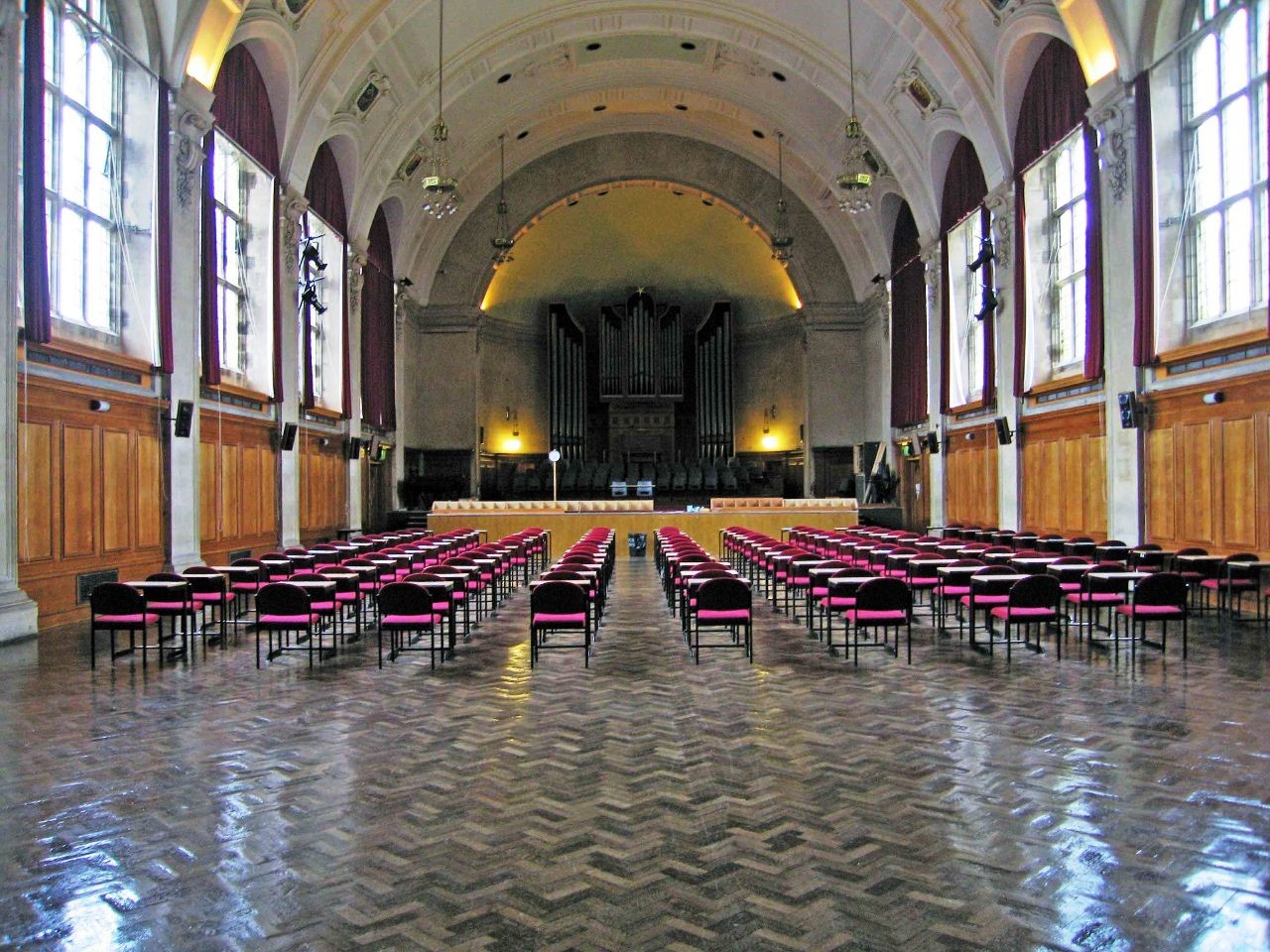
Students were sorted into different randomised groups of 6 and were assigned the task of designing and building a device to protect an egg when being dropped from Bangor University main hall balcony. Limited resources were provided for this task and this was useful because inevitably there are going to be situations in our future careers where we must make the most of what is available to us to do the required job. This gave us the chance to practise showing our teamwork skills to assessors who watched as we worked. Feedback from our designated observer showed us that, while we all carried out our individual tasks well, we sometimes forgot to involve other members of our team, which is what employers are looking for.
Mock Interview
The second part of this assessment centre involved a mock interview. Each student was given the opportunity to practise answering interview questions in an environment that mimicked the conditions of an actual interview. We also got to experience being on the interview panel. This gave me an insight into how the answers my group members gave would be perceived from the viewpoint of the interviewer. Having been given feedback, I now have a clearer understanding of my strengths and areas for improvement when it comes to answering interview questions. For example, my group members told me I ‘was confident and engaging’ but sometimes needed to ‘pay more attention to what was actually being asked’. This was a reminder of how nerves in an interview can cause candidates to struggle answering questions they may have no problem answering in a more comfortable environment.

Body language accounts for 82% of interview outcomes – Clare Brass, Bangor University.
It is no secret that interviews are nobody’s favourite occasion, but a hurdle many must jump through nonetheless to achieve their goals. I found it slightly nerve-wracking even though it was with fellow students and there was no job offer at stake. This day was useful because it enabled me to practise dealing with nerves. Practising positive body language was also very useful and I was surprised to learn that body language accounts for 82% of interview outcomes according to research. While there is plenty of interview advice online, there remains no equivalent to actually practising answering questions. This is the only way to build a candidate’s confidence in their ability to deal with questions they may not expect to be asked in front of a panel often consisting of a daunting 2 or more interviewers.

 Joe's blog