Having attended a variety of scientific seminars, I feel I have broadened my understanding of the range of research areas a Biological Sciences degree holder can gain access to. As is undoubtedly the case with most fellow students, I found some seminars inspiring and viewed the research as a potential career path after graduation, while others did not interest me.
Professor James McDonald’s work on Acute Oak Decline and Dr Olga Golyshina’s seminar on using bacteria to extract metal ores in a more eco-friendly way have particularly inspired me. The content from both seminars has only further strengthened my fascination with the prokaryotic world.
I find the juxtaposition created when considering that the same group of organisms that are fearfully sprayed and frantically wiped from surfaces are also teaching humans how to live their lives better incredible.
An example of this is seen in my dissertation – ‘Evaluating the Effectiveness of Isolating Cellulose-degrading Bacteria from Lignocellulose Samples using Revolutionary iChip Technology’, with a view to future use of the cellulase enzymes extracted from these cellulolytic isolates e.g. to produce glucose from hydrolysis of waste lignocellulose which can then be fermented to produce ethanol for use as a biofuel.
Having read further on microbiology since and the areas of research, I am considering studying nutrition and the link between the gut microbiome and mood via the vegas nerve.
You really are what you eat.
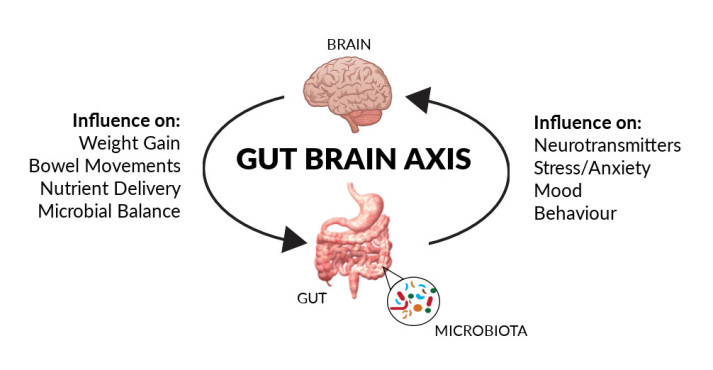
My consistent involvement in sport has always inspired me to eat healthily and, combined with my passion for microbiology, I feel nutrition would be a suitable option to enquire into.
Expecting each and every seminar to whet my scientific curiosity would have been unreasonable – we’re all different with differing interests, and no one knows that more thoroughly than a biologist having studied genetics.
I also benefited from those seminars I found less interesting.
Durham University’s Sarah Elton delivering her talk on Piliocolobus confirmed to me that I am not highly interested in the zoology side of biological sciences. It was useful to gain more of a flavour of what that sort of research would be like.
If nothing else, realising a certain field is not for you is enough of a result.
Professor William Mitsch’s wetlands talk served as a reminder of the important role these ecosystems play in carbon storage. I don’t see myself entering the field of environmental science specifically, but would definitely aim to incorporate aspects of this field into my own research in the future.
Mbael Coed leader, Andrew Sowerby’s talk on leadership qualities was very informative. This talk was particularly useful as it combined two purposes – informing students of the charity organisation that aims to improve relations between Wales and Uganda, and advising us of the requirements needed to lead such a project effectively.
Having the opportunity to plan a business idea was definitely a personal highlight for this module.
It feels like, at this stage in their careers, students of various disciplines all need a base set of skills if they plan on succeeding in their professional lives.
The business model canvas we were given helped my group to develop our company – ‘Biobeauty’, promoting its debut product – an enzymatic skin toner containing proteases extracted from Bacillus subtilis bacteria which degrade dead human epidermal cells. Additionally, the model canvas is a resource that can be used for future ideas as well as being an enjoyable exercise and leading to many working with people they had not spoken to before – not something commonly associated with Third Year.

The CV-writing lectures delivered by Clare Brass helped to clarify my understanding of what employers look for in candidates. Her use of statistics made for interesting viewing and they proved the harsh reality to students that, despite all the work ethic, talent and potential somebody possesses, presentation really is everything.
With many graduates-to-be likely aiming for prestigious roles in their future careers, a mock assessment centre was definitely an appropriate idea for one of the module sessions.
The mock interviews enabling students to experience their course mates’ answers from the interviewer’s perspective was an interesting touch. It became far easier to understand the success criteria that forms an impressive interview answer. When answering their own question, a candidate often won’t be receptive to their negative body language etc because they are so focused on giving an answer.
The team exercise under supervision taught many students the importance of ensuring all members are involved. A regular occurrence was students focusing on their own task with an honest and genuine desire to impress when actually the supervisors were also looking for individuals to encourage and support their teammates.
It was a useful experience and these lessons will definitely improve our chances of successful performance at an assessment centre.
“If you’re invited to an assessment centre, the company will definitely be interested in you” – Clare Brass
Brass made an important statement that made sense although I may not have thought it independently. It’s true – why would a company pay for staff, refreshments, running of a building all day etc if those invited for assessment were not serious candidates?
These experiences from this module have helped to sharpen my knowledge of employability and also assisted me in narrowing down the career paths I feel would suit me. It was a refreshing change alongside the intensity of dissertation work.

 Joe's blog