To Sum Up – Final Reflection on BSX-3071-0 Science & Employability Skills 201819

Having attended a variety of scientific seminars, I feel I have broadened my understanding of the range of research areas a Biological Sciences degree holder can gain access to. As is undoubtedly the case with most fellow students, I found some seminars inspiring and viewed the research as a potential career path after graduation, while others did not interest me.

Professor James McDonald’s work on Acute Oak Decline and Dr Olga Golyshina’s seminar on using bacteria to extract metal ores in a more eco-friendly way have particularly inspired me. The content from both seminars has only further strengthened my fascination with the prokaryotic world.

I find the juxtaposition created when considering that the same group of organisms that are fearfully sprayed and frantically wiped from surfaces are also teaching humans how to live their lives better incredible.

An example of this is seen in my dissertation – ‘Evaluating the Effectiveness of Isolating Cellulose-degrading Bacteria from Lignocellulose Samples using Revolutionary iChip Technology’, with a view to future use of the cellulase enzymes extracted from these cellulolytic isolates e.g. to produce glucose from hydrolysis of waste lignocellulose which can then be fermented to produce ethanol for use as a biofuel.

Having read further on microbiology since and the areas of research, I am considering studying nutrition and the link between the gut microbiome and mood via the vegas nerve.

You really are what you eat.
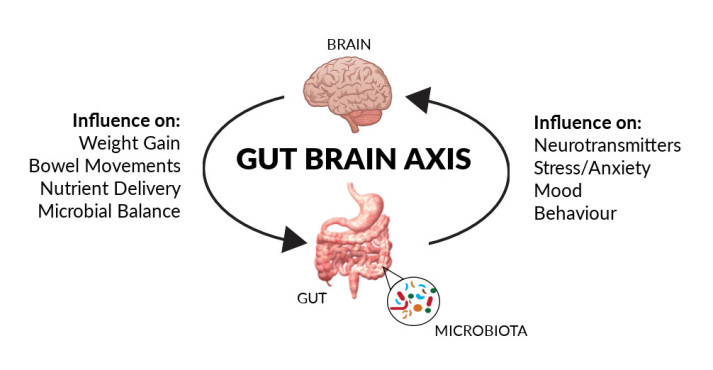
Gut health dictates the signals transmitted via the vegas nerve to the brain, influencing mood.

My consistent involvement in sport has always inspired me to eat healthily and, combined with my passion for microbiology, I feel nutrition would be a suitable option to enquire into.

Expecting each and every seminar to whet my scientific curiosity would have been unreasonable – we’re all different with differing interests, and no one knows that more thoroughly than a biologist having studied genetics.

I also benefited from those seminars I found less interesting.

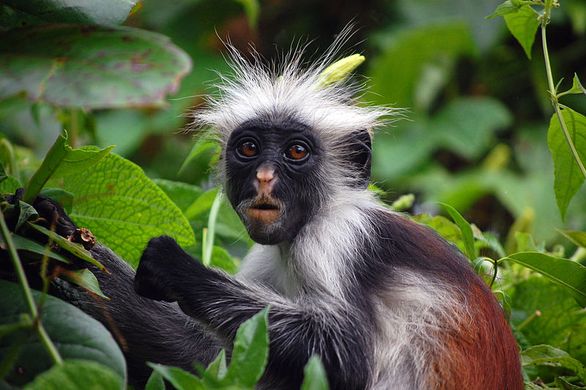
Durham University’s Sarah Elton delivering her talk on Piliocolobus confirmed to me that I am not highly interested in the zoology side of biological sciences. It was useful to gain more of a flavour of what that sort of research would be like.

If nothing else, realising a certain field is not for you is enough of a result.

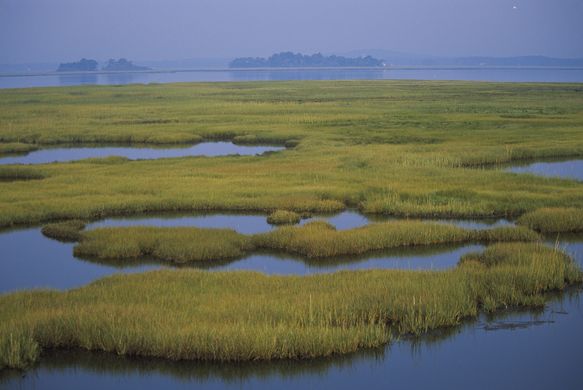
Professor William Mitsch’s wetlands talk served as a reminder of the important role these ecosystems play in carbon storage. I don’t see myself entering the field of environmental science specifically, but would definitely aim to incorporate aspects of this field into my own research in the future.

Mbael Coed leader, Andrew Sowerby’s talk on leadership qualities was very informative. This talk was particularly useful as it combined two purposes – informing students of the charity organisation that aims to improve relations between Wales and Uganda, and advising us of the requirements needed to lead such a project effectively.

Having the opportunity to plan a business idea was definitely a personal highlight for this module.

It feels like, at this stage in their careers, students of various disciplines all need a base set of skills if they plan on succeeding in their professional lives.

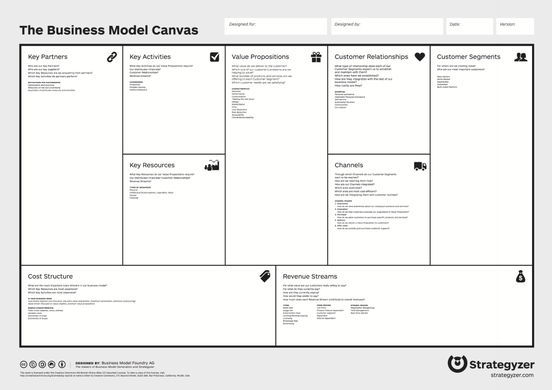
The business model canvas we were given helped my group to develop our company – ‘Biobeauty’, promoting its debut product – an enzymatic skin toner containing proteases extracted from Bacillus subtilis bacteria which degrade dead human epidermal cells. Additionally, the model canvas is a resource that can be used for future ideas as well as being an enjoyable exercise and leading to many working with people they had not spoken to before – not something commonly associated with Third Year.

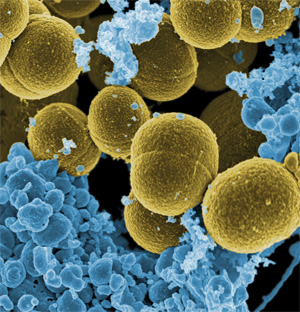
Bacillus subtilis – the bacterium from which Biobeauty planned to extract proteases to use in our enzymatic skin toner. It is a member of the gut microflora therefore allowing for easier marketing as people are more likely to accept a species that already lives in their body.

The CV-writing lectures delivered by Clare Brass helped to clarify my understanding of what employers look for in candidates. Her use of statistics made for interesting viewing and they proved the harsh reality to students that, despite all the work ethic, talent and potential somebody possesses, presentation really is everything.

With many graduates-to-be likely aiming for prestigious roles in their future careers, a mock assessment centre was definitely an appropriate idea for one of the module sessions.

The mock interviews enabling students to experience their course mates’ answers from the interviewer’s perspective was an interesting touch. It became far easier to understand the success criteria that forms an impressive interview answer. When answering their own question, a candidate often won’t be receptive to their negative body language etc because they are so focused on giving an answer.

The team exercise under supervision taught many students the importance of ensuring all members are involved. A regular occurrence was students focusing on their own task with an honest and genuine desire to impress when actually the supervisors were also looking for individuals to encourage and support their teammates.

It was a useful experience and these lessons will definitely improve our chances of successful performance at an assessment centre.

“If you’re invited to an assessment centre, the company will definitely be interested in you” – Clare Brass

Brass made an important statement that made sense although I may not have thought it independently. It’s true – why would a company pay for staff, refreshments, running of a building all day etc if those invited for assessment were not serious candidates?

These experiences from this module have helped to sharpen my knowledge of employability and also assisted me in narrowing down the career paths I feel would suit me. It was a refreshing change alongside the intensity of dissertation work.

‘Racing Against the Clock’ – A Whole New Take on the Idea

Having been a sport enthusiast for most of my life, this talk captured my interest.

Dr Alun Hughes from Liverpool John Moores University had travelled to Bangor to present his research progress in chronobiology and how regular exercise in his transgenic mice can stabilise unusual circadian behaviour.

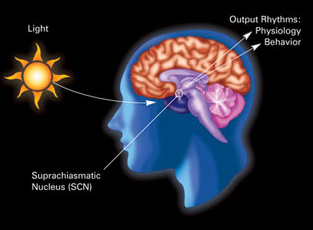
Hughes introduced the concept of circadian rhythms – changes in an organism following a daily cycle that can be either physical, mental or behavioural e.g. sleeping at night and waking up in the morning.

Rise and shine – biological clocks are responsible for daily cycles in organisms e,g, waking up in the morning and sleeping at night.
Photo source:
https://www.nigms.nih.gov/education/pages/Factsheet_CircadianRhythms.aspx

These circadian rhythms are produced and controlled by biological clocks – systems composed of proteins that interact with specific cells in the body to initiate a specific daily response.

Dr Hughes expressed his particular interest in the effect of exercise and diet on these biological clocks.

Hughes investigating the effect of regular exercise and diet on circadian rhythms.
Photo source:
https://fitness.mercola.com/sites/fitness/archive/2013/09/13/eating-before-exercise.aspx

Having captured my interest, I read Hughes’s most recently published paper after this seminar titled ‘Locomotor exercise and circadian rhythms in mammals’:

http://researchonline.ljmu.ac.uk/9098/

Discussing this research, Dr Hughes suggested that locomotor exercise can alter the circadian phase ‘acutely’.

With success in this area of work using transgenic mice as the model organism, knowledge of such effects on human health has improved.

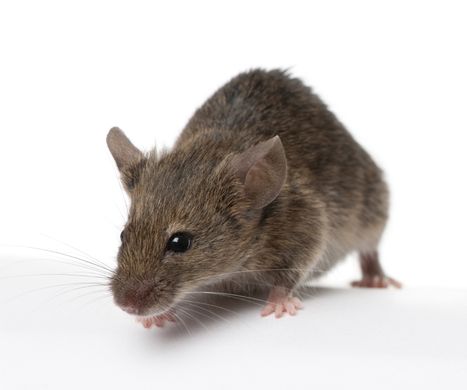
Hughes has investigated the effects of regular exercise on the unusual circadian rhythms of transgenic mice, a model organism for humans.
Photo source:
https://tomlinsonbomberger.com/blog/tis-the-season-for-mice-in-your-attic/

While the topic area was new and exciting to me, the importance of regular exercise, be it sprint or stroll, should be a surprise to no one.

When maintained properly, the human body is powerful and as a species we are capable of success in numerous areas. But it seems difficult to escape the feeling that someone who does not make the effort to exercise even once or twice a week is only tempting future discomfort.

That being said, you don’t need to reach the Olympic finals to have a biological clock.

Dr Hughes’s talk served as yet another reminder of 2 things:

  • The broadness of biology as a subject area
  • It’s time to lace up those trainers

Blossom Your Business Idea

It’s 2 a.m. You’re lying awake, restless. Mind darting everywhere. Suddenly, it comes to you. ‘That’s it!’, you think as you continue to toss and turn.

But …

  • How would you advertise your idea?
  • What will your cost structure be?
  • What are your value propositions?
Revolutionary ideas need a plan
Photo source:
https://www.conselium.com/man-thinking-2/

Chris Walker lectured Bangor University 3rd year Biological Scientists on the how to develop a business idea.

We learned that many ideas fail largely due to a lack of planning and preparation. To help ensure any potentially novel ideas from the students won’t be wasted in a world desperate for revolutionary inventions in biology, each was provided with a business model canvas:

Even greatness needs guidance
Photo source:
https://en.wikipedia.org/wiki/File:Business_Model_Canvas.png

Following lectures on this topic, students were invited to attend a 3-hour workshop where they were split into groups and assigned the task of developing a biology-related business idea for 2 hours, with the final hour reserved for pitching to the rest of the class.

Our group’s idea was ‘Biobeauty’ – a brand initially selling an enzymatic skin toner made from proteases secreted by Bacillus subtilis bacteria which degrade dead epidermal cells on the face.

‘About 80% of people aged 11 to 30 are affected by acne.’

https://www.nhs.uk/conditions/acne/
Acne vulgaris – the skin disease that, despite not being life-threatening, can wreak havoc on the self-esteem of sufferers
Photo source:
https://lookfordiagnosis.com/mesh_info.php?term=Acne+Vulgaris&lang=1

How would we advertise our idea?

Biobeauty would have a website advertising not only our product(s), but also our aims and commitments:

  • Eco-friendly, biodegradable packaging
  • Eco-friendly production process
  • A commitment to helping the target audience (14-25 year-olds) with insecurities and self-esteem issues surrounding acne vulgaris given the increased modern awareness of mental health

‘It grows on you’

Biobeauty slogan

The company slogan ‘it grows on you’ works well given the microbial origin of the enzymes.

We planned to advertise the product as ‘enzymatic’ rather than using the word ‘bacterial’ given the stigma surrounding the term, implying connotations of poor hygiene and disease which is simply not the case. Our target market would stem beyond biologists and for this reason we had to consider our language carefully.

What will the cost structure be?

For something relatively simple, the cost structure surprised the whole group:

  • Scientific research e.g. enzyme extraction, culturing Bacillus subtilis
  • Clinical trials
  • Packaging
  • Product licensing
  • Supplying free samples to promote the product

It became clear quite quickly that something as apparently simple as a bottle of skin toner will have likely had months of time and effort applied to it.

What are our value propositions?

The skin toner was proposed as a novel product with all-natural components and, given its cosmetic nature, use of the product is technically classed as body modification for legal reasons.

“Try before you buy” in-store testing in companies such as Boots and Debenhams was proposed to offer potential customers a chance to test the product for themselves before deciding whether to purchase.

With smell being a crucial part of any healthcare product in the modern day, a novel scent was also proposed by Biobeauty.

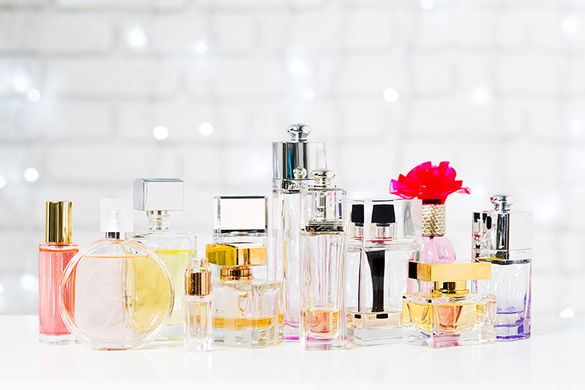
Sample bottles of Biobeauty’s enzymatic skin toner would be supplied to pharmaceutical companies
Photo source:
https://www.crueltyfreekitty.com/bath-body/cruelty-free-perfume/

With the scientific appetite of Bangor’s Biological Science students already seemingly satisfied, their business curiosity won’t be far behind. This was a valuable workshop that highlighted the importance of basic business skills to complement advanced scientific understanding.

3 Essential Qualities for Successful Leadership

Andrew Sowerby of Pryor and Rickett Silviculture addressed the environmental enthusiasts of Bangor University, informing us of a project he is leading that aims to strengthen international bridges in a greener world – Mbael Coed.

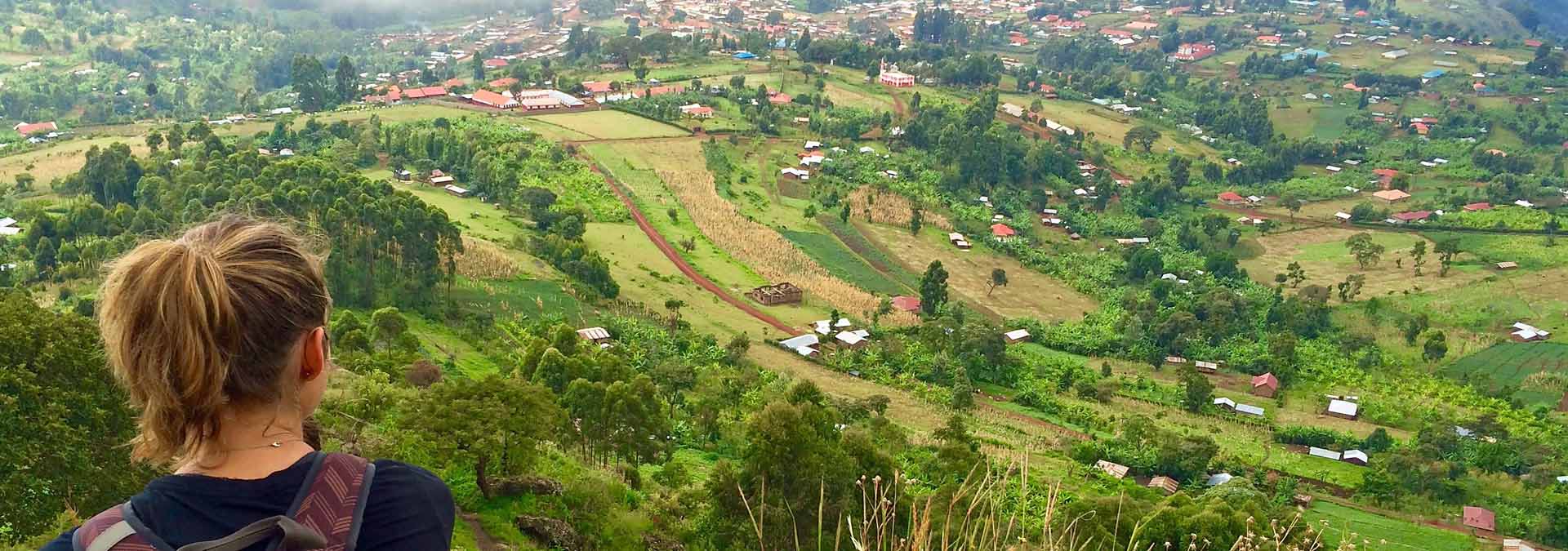
The project was proposed following the 2015 Welsh Government Well-Being Act, with aims to plant 10 million trees in Uganda, a less economically developed nation, struggling with:

  • Growing population
  • Decreasing forest cover
  • The majority of its population living in the countryside therefore putting more pressure on natural habitats
Photo source: https://studyabroad.sit.edu/programs/semester/fall-2019/ugd/

Regrettably stating the obvious, this country is rather different to the UK, a far more urbanised nation.

By fundraising and sending a team of volunteers over from the UK in an attempt to plant the ambitious 10 million seed total, the hope is that both parties can learn the benefits of one another’s cultural differences.

Sowerby continued his talk by offering his 3 requirements for being a chartered aboriculturist, based on his experience as Mbale Coed project leader.

1. Always be mindful of the long-term

He stressed the importance of dealing with current issues in a business/charity while never losing sight of the ‘bigger picture’. This is vital when maintaining a focus and progressing towards your goals.

Tomorrow will thank you if you keep it in sight.
Photo source:
https://www.healthista.com/whats-really-behind-emotional-eating-stop/

If you lose sight of your ambitions, how are you going to achieve them?

2. Work from a plan

While this may seem obvious to many, the basics remain the key reasons to many success stories. Having a plan to work from will provide you with structure, keeping you organised while plan-less competitors lose their way.

The relatively short time taken to devise a plan will save you weeks of disorganised improvisation and is key to success.
Photo source:
http://www.bplanexperts.com/4-indicators-look-scaling-venture/

3. Maintain professional relations based on mutual respect

This one stood out as an absolute necessity – how will a team of workers succeed without mutual respect for one another? The importance of a positive atmosphere must not be underestimated.

A smile can work wonders for productivity.
Photo source:
https://digest.bps.org.uk/2017/01/06/done-tastefully-joke-telling-at-work-could-make-you-appear-more-confident-and-competent/

With so many students having delved deep into the depths of dissertation-writing in recent weeks, this talk served as a timely reminder of the importance of the basics in order for the complicated efforts to pay off.

It was interesting to hear first-hand the success criteria from someone enjoying success in the hot seat.

Sowerby concluded this informative talk by providing students with a general reminder that their generation’s actions will greatly dictate the future of the planet.

Curriculum Vitae – the blurb of your academic life

I can’t be alone when I say I’ve heard the phrase ‘don’t judge a book by its cover’ a lot. While the principles behind this saying are warm and forgiving, it feels a little fairy tale-like and, at times, an idea that simply won’t cut it in the depths of reality.

Glowing ideas mustn’t be printed on crinkled pages

Photo source: http://3.bp.blogspot.com/_cTXGuD89NEs/TETq1iEuBuI/AAAAAAAAAUE/wIksWnwejK8/s1600/Antique_booksWallpaper.jpg

Clare Brass, Employability Co-ordinator at Bangor University has given third year students advice on how to present themselves effectively on paper. Can chances of the blunt, cold stain of rejection be lessened by sharpening up the CV?

Answer – of course it can.

Studying in the School of Natural Sciences, I find it helpful to look at the process in a logical way. When you think about it, CV writing is just an example of natural selection coming into play.

Years ago, ‘beneficial characteristics’ involved more physical attributes in many cases e.g. strength for hunting whereas I feel we live in a heavily lexical-based world now.

No one has time to hunt anymore, and why should they with Tesco’s finest riding off into the forest on horseback? This means the selection pressure has become increasingly academic with people’s minds becoming less occupied by the day given the comforts of the modern lifestyle.

So what do we do with this extra brain power? We judge. Everything. It’s just a personal idea, I may be wrong.

To make matters worse, Brass informed students that the average time spent looking over a CV (notice I didn’t say ‘reading’) is 8.8 seconds. You could feel the career hopes in the room wilting.

A’s turned to C’s. Weeks of work experience dissolving into days on the sofa. It became clear that even climbing Everest for example, if presented poorly on a CV, would equal sitting on a mole hill. With ‘bad posture’ too probably.

Employers will give your CV a mere average of 8.8 seconds attention, make each one count.

Photo source: https://johnsonsearchgroup.com/wp-content/uploads/2015/10/reviewing-resume.jpg

Brass showed us the ideal layout of a CV and it was surprising to learn that it should be 2 A4 sides maximum. This seems like an incredibly short amount of text to sum up your whole academic career.

She suggested the composition of a ‘skills-based’ CV, clearly stating how the skills you’ve acquired from previous work experience make you the candidate they cannot afford to exclude on the interview shortlist.

Those who wished to apply for research positions etc were advised to use the ‘academic CV’ format. The good news is that these CV’s are allowed to be longer given the higher level of detail needed.

So don’t worry, you can tell them about that gap year spent in Egypt building a fourth great pyramid.

Tell me more – Academic CVs are allowed to be longer than 2 sides of A4 given the higher level of detail usually required

Photo source: https://www.theodysseyonline.com/8-reasons-gap-year

Brass provided further pointers on cover letters and the importance of showing that you understand the company’s goals and expressing your desired contribution.

This session served as a reminder of just how fine the margins of success are in terms of CV writing. Every word, punctuation mark and space counts. You don’t have to be perfect, but it helps if you appear so on paper.

Cracks starting to show – the reality facing a modern world neglecting wetlands

Many a reader may be puzzled when they learn that Professor William Mitsch, an expert in ecosystem ecology and ecological engineering would travel all the way from the USA to Bangor to give a talk on wetlands. But the 2004 co-laureate for the Stockholm Water Prize did not waste time in stressing the importance of wetlands, found more commonly in the tropics than on the equator, once the initial applause had been modestly appreciated.

‘Temperature is everything to biology, increasing it will change a lot of things’

– Mitsch

He entitled his talk ‘The Role of Wetland Processes in Global Climate Change’, pointing out the enormous impact temperature change is going to have on the planet and suggesting that sea levels are set to increase by at least 3cm per decade.

Our home planet is being left vulnerable to global warming because of our destructive behaviour and failure to preserve its defence mechanisms.

Photo source: https://helpsavenature.com/global-warming-effects-on-earth

Alarmingly, Mitsch stated that, regardless of the effort and hopeful progress made in quelling an ever-growing global carbon footprint, temperatures will continue to rise given the high level of carbon dioxide in the current atmosphere.

‘7-9% of the world’s lands are wetlands, but they play an enormous part in the carbon cycle’

– Mitsch

He has worked alongside other scientists for years to try and find the most appropriate ‘systems’ for long-term carbon sequestration. I personally feel this area of research has gone under the radar and was surprised to learn its significance to the world.

Neglected talent – a new carbon storage method must be found to soak up the tears if the wetlands dry out.

Photo source: https://www.lakescientist.com/research-summary-effect-deforestation-global-wetland-hydrology/

‘A wetland is a reservoir of stored carbon we don’t want to be released into the atmosphere’

– Mitsch

Mitsch stated that many climate change scientists tend to view wetlands merely as greenhouse gas sources. The connotations associated with the phrase ‘greenhouse gas’ may be giving wetlands bad press before scientists have given their potential use serious thought.

Losing wetlands = losing carbon storage

Interestingly, when potential climate change breakthroughs are publicised they always seem to involve a rather complicated new method or process. It seems somewhat bizarre to spend so much time and money developing what may be described as new coping mechanisms for a race that doesn’t seem to collectively acknowledge one of the planet’s most efficient carbon storage systems.

It seems fitting that World Wetland Day (2nd February) was closely followed by this seminar by a matter of days. While they will never beat the sunny beaches of Barcelona in many people’s eyes, it’s commonly said that variety is the spice of life and, as far as climate change is concerned, these muddy, grassy land masses certainly don’t dampen the mood.

Root Causes – Discussing Acute Oak Decline in Britain and the Punch Packed by Pathogens

Professor James McDonald of Bangor University presented his research progress on the causes of Acute Oak Decline (AOD) in Britain, beginning by raising the global concerns about tree health and deforestation.


With several square miles lost per week worldwide, the demolition of trees is a growing problem.
Photo source: https://inhabitat.com/amazon-deforestation-leaps-16-percent-in-2015/

McDonald stressed the significance of losing keystone species, such as oak trees. These species support biodiversity and some have provided raw construction materials for thousands of years.

AOD – The Hidden Evil

For oak trees however, it seems there is another hidden evil lurking in the forest. A decline in oak has been observed since the 1980’s, with trees typically dying within 3-5 years of developing AOD symptoms. These symptoms include:

  • Vertically arranged lesions, possibly linked to pathogenic microorganisms travelling up the vascular tissue
  • Cracked outer bark
  • Dead inner bark
  • Larval galleries from Agrilus beetles

AOD is ‘bleeding’ these oak trees to death.

Daily Mail
AOD causes the ‘bleeding’ of oak trees leading to death in most cases.
Photo source: https://www.telegraph.co.uk/news/earth/environment/12190768/Scientists-given-1m-grant-to-research-killer-oak-tree-disease.html

“It is important to be a multidisciplinary scientist because you must be able to engage in other areas of research”

Dr James McDonald

While it’s tempting to focus purely on your areas of interest, science is one whole subject, with different research areas interlinking.

McDonald listed the abiotic factors of AOD occurrences including:

  • Lower elevation sites (common in South and South-East England)
  • High temperature
  • Drier sites

His point is evident here as an understanding of Geography is required to consider the above factors.

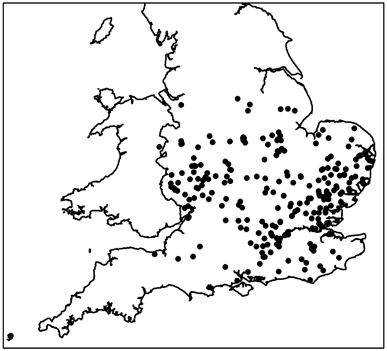
AOD Distribution in Britain in 2014 (Brady et al, 2017)

Brady, C., Arnold, D., McDonald, J. and Denman, S., 2017. Taxonomy and identification of bacteria associated with acute oak decline. World Journal of Microbiology and Biotechnology33(7), p.143.

What Causes AOD?

Sandra Denman, who McDonald has worked with previously in forest research, reported ’13 new bacterial species’ from 2 genera found in AOD trees. 2 bacteria ‘significantly associated’ with AOD are:

  • Gibbsiella quercinecans
  • Brenneria goodwinii

This led to formulation of the hypothesis:

Gibbsiella quercinecans and Brenneria goodwinii are necrotic pathogens of oak’

McDonald voiced his concern over the Great Plate Count Anomaly – that traditional cultivation only enables scientists to grow a desperately shallow maximum yield – 10% of environmental bacteria under laboratory conditions. This seminar appealed to me given my fascination with microbiology.

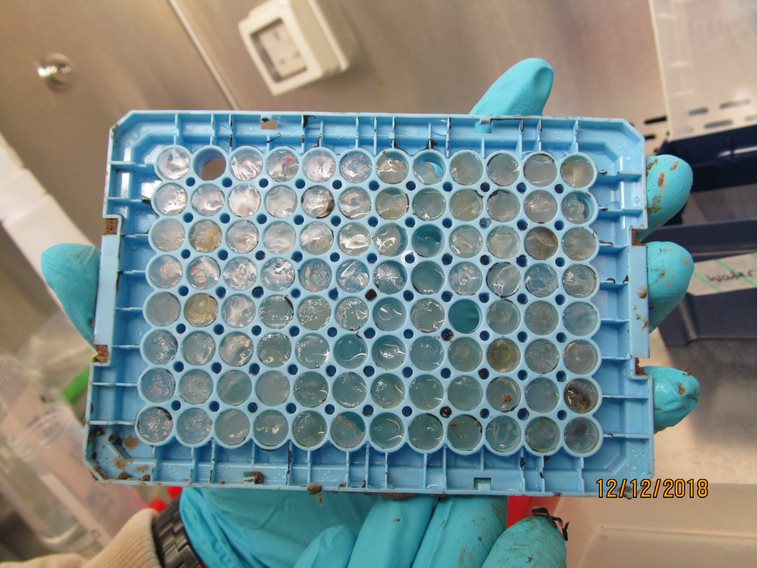
It also fits nicely with my dissertation – ‘Evaluating the Effectiveness of Isolating Cellulose-degrading Bacteria from Lignocellulose Samples using Revolutionary iChip Technology’, in which we have been able to cultivate a higher percentage of bacteria than we were with traditional cultivation.

The iChip allowed us to cultivate a much higher yield of bacteria from our lignocellulose samples than traditional cultivation.

Bacteria never fail to impress those with so many more cells than themselves, and it looks as though they’ve struck again here. While McDonald’s evidence appears to prove the hypothesis, the study remains inconclusive due to cultivation complications.

Assessment Centre – Preparing for the World of Work

Students of the School of Natural Sciences at Bangor University were invited to attend a mock assessment centre, which mimicked assessment centres many expect to attend when applying for a job in future, particularly graduate positions. The assessment involved 2 tasks:

  • A group problem-solving task
  • A mock interview
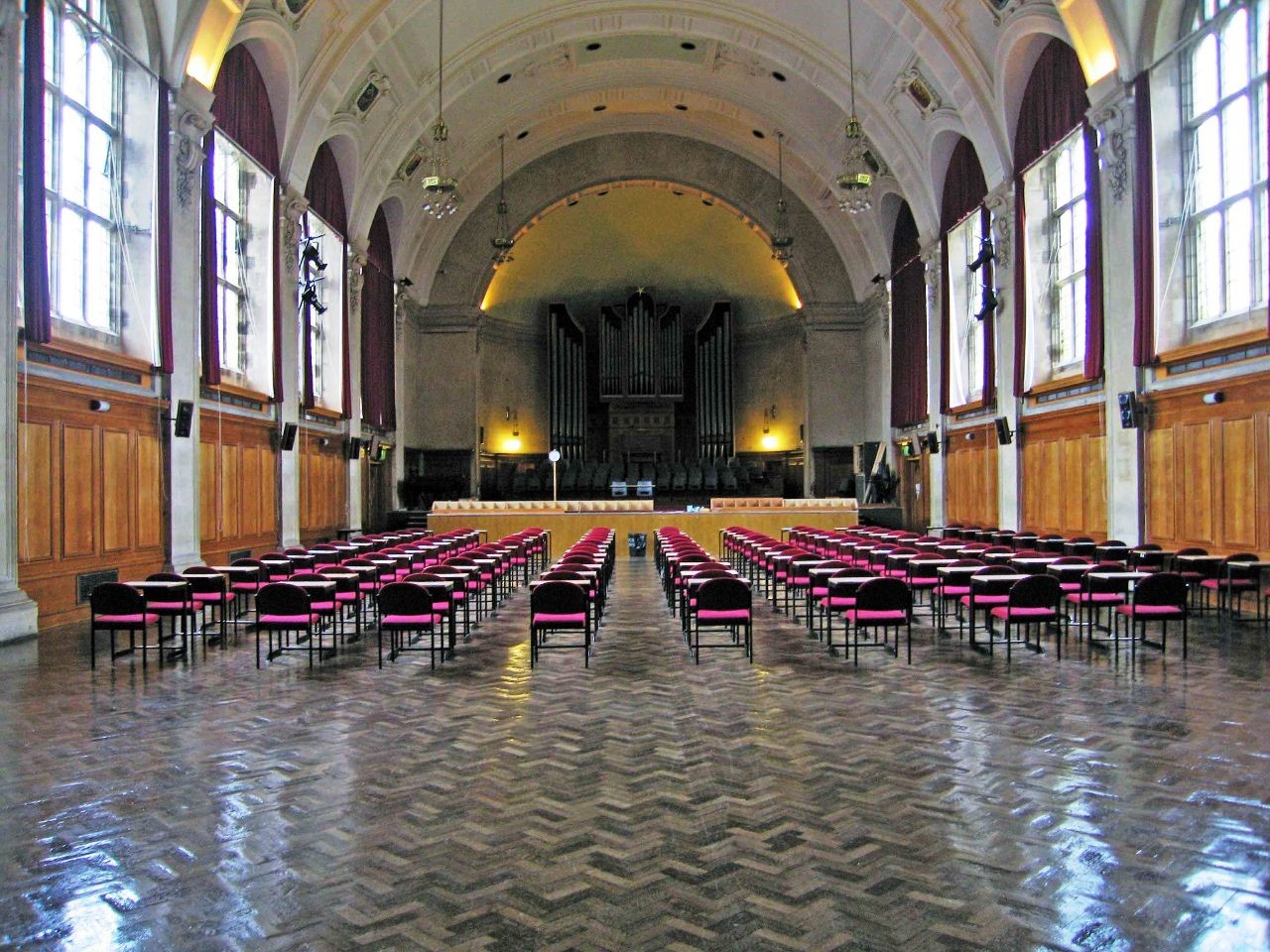
The mock assessment centre was carried out in PJ Hall, Bangor University on 17/10/18.

Group Problem-solving Task

Students were sorted into different randomised groups of 6 and were assigned the task of designing and building a device to protect an egg when being dropped from Bangor University main hall balcony. Limited resources were provided for this task and this was useful because inevitably there are going to be situations in our future careers where we must make the most of what is available to us to do the required job. This gave us the chance to practise showing our teamwork skills to assessors who watched as we worked. Feedback from our designated observer showed us that, while we all carried out our individual tasks well, we sometimes forgot to involve other members of our team, which is what employers are looking for.

Mock Interview

The second part of this assessment centre involved a mock interview. Each student was given the opportunity to practise answering interview questions in an environment that mimicked the conditions of an actual interview. We also got to experience being on the interview panel. This gave me an insight into how the answers my group members gave would be perceived from the viewpoint of the interviewer. Having been given feedback, I now have a clearer understanding of my strengths and areas for improvement when it comes to answering interview questions. For example, my group members told me I ‘was confident and engaging’ but sometimes needed to ‘pay more attention to what was actually being asked’. This was a reminder of how nerves in an interview can cause candidates to struggle answering questions they may have no problem answering in a more comfortable environment.

Students took turns interviewing their fellow group members to gain an insight into how their answers might appear from the interviewer’s perspective. They also had the chance to hone their own skills in answering questions.

Body language accounts for 82% of interview outcomes – Clare Brass, Bangor University.

It is no secret that interviews are nobody’s favourite occasion, but a hurdle many must jump through nonetheless to achieve their goals. I found it slightly nerve-wracking even though it was with fellow students and there was no job offer at stake. This day was useful because it enabled me to practise dealing with nerves. Practising positive body language was also very useful and I was surprised to learn that body language accounts for 82% of interview outcomes according to research. While there is plenty of interview advice online, there remains no equivalent to actually practising answering questions. This is the only way to build a candidate’s confidence in their ability to deal with questions they may not expect to be asked in front of a panel often consisting of a daunting 2 or more interviewers.

Prokaryotic Potential – Using Bacteria to Extract Metals from Ores Without Harming the Environment

Dr Olga Golyshina of Bangor University held a seminar for the Environmental Microbiology and Biotechnology module. It was a reminder of how such small organisms play such a huge part in this world.

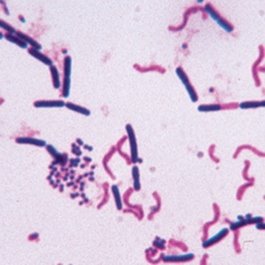
Always there – bacteria are found virtually everywhere and many species have health benefits and industrial uses.
Photo source: https://www.chegg.com/homework-help/questions-and-answers/many-different-bacteria-present-sample-differentiate-describing-cell-morphology-gram-stain-q30808541

Students were provided with yet another example of how incredible bacteria are, with species living in mining sites rich in metals using oxygen to extract the metals from their ores. This releases energy which these revolutionary unicellular organisms then use. This has since been exploited by scientists, with a view to using these microorganisms to extract metals from their ores in industry. This is extraordinary. It’s fascinating that these small prokaryotes are so often the ones teaching us humans how to improve our own way of life.

Hidden talent – specialised bacteria living in mining sites in Spain have been isolated by scientists and used to extract metals from their ores.
Photo source: https://www.abc.net.au/news/rural/2013-07-09/business-reporter-di-bain-investigates-the-dilemma/4808788

The point was raised that nowadays, metals are ‘taken for granted’. With Europe having many ore sites yet to be exploited, it’s tempting to ask –
What microbial secrets lie here? What innovations might they inspire?

There are plans to extract metals in active mining sites using ‘bioleaching’. However, to avoid harming the environment, scientists first had to understand the mechanisms of this process. For example, the risk of harmful metals seeping out and damaging the environment was considered before applying this method to industry.

Compared to traditional blasting using explosives, bioleaching has been found to extract the same amount of metal in 6 months that would have been obtained in 3 years. A further issue with blasting is that sulphur fumes made workers sick and resulted in one of the first environmental protests at the time.

Bioleaching is more efficient and environmentally friendly than blasting.
Photo source: https://www.australianmining.com.au/features/blasting-at-anglo-americans-kolomela-iron-ore-mine-images/

Molecular biology has shown that even the simplest of all living systems on the earth today, bacterial cells, are exceedingly complex objects. Although the tiniest bacterial cells are incredibly small, weighing less than 10-12 gms, each is in effect a veritable micro-miniaturized factory containing thousands of exquisitely designed pieces of intricate molecular machinery, made up altogether of one hundred thousand million atoms, far more complicated than any machine built by man and absolutely without parallel in the nonliving world. ― Michael Denton, Evolution: A Theory In Crisis


Through the process of bioleaching, metal-extracting bacteria can be used to extract ores from their metals.
Photo source: https://io9.gizmodo.com/could-metal-excreting-bacteria-avert-the-next-world-war-5278922

Another interesting point raised was that microorganisms working together are more effective than those working in isolation. This is because different microbial species will have different enzymes meaning they can catalyse different chemical reactions.

The aim is to extract metals using microorganisms without harming the environment.

It was interesting to learn that bioleaching ‘occurs at different rates for different metals’ – something I may not have considered but definitely makes sense given the difference in size and atomic structure, among other factors.

The sheer range of uses metals have makes this talk even more exciting. You really never know what you’re going to find out. This opened my eyes even further to the importance of microorganisms, I’m going to need to blink eventually.

Problems for Piliocolobus – Evolution, Diversity and Distributions in Red Colobus Monkeys

Bangor University School of Natural Sciences welcomed Sarah Elton from Durham University who was presenting her research focusing on red colobuses, Old World monkeys of the genus Piliocolobus. The talk included models Elton and her research colleagues had proposed, indicating the distribution of wild red colobus monkeys in Africa: found in Central, West and East Africa, but not in the Southern region due to lack of daylight as the monkeys cannot function in such few hours. This is because, while they have strong stomachs to digest plant matter, they need plenty of rest to do so and, on top of socialising etc, South Africa simply wouldn’t provide enough daylight.

Stressing the importance of preserving biodiversity in Africa, Elton highlighted the fact that these colobus monkeys are ‘heavily hunted by chimpanzees’. This point was a key part of the talk for me because, having studied genetic engineering in some modules of my degree, I am aware of the value that genetic diversity can have when it comes to battling disease.

Red colobus monkeys are heavily hunted by chimpanzees, posing a threat to biodiversity in Africa.

A key on-going debate raised by Elton and popular among others in her field of work is the cause of increased colobus cranium size for which there are 2 answers being argued:

  • Environmental productivity
  • Environmental predictability

The seemingly unresolved argument is in apparent need for compromise as increased cranium size is ‘probably a bit of both’ Elton went onto admit. This came across nicely as it showed a group of passionate scientists fighting to get their point across, yet they recognise the bigger objective and are willing to consider each other’s point of view. This is vital if any innovative idea is to be decided on/developed in the future.

Elton went on to say that increased body size may be directly proportional to how advanced sexual dimorphism is in colobus monkeys. This was an interesting concept and not something I would really associate with body size. I assumed it was to do with nutrients being available/unavailable at critical growth stages therefore dictating the degree to which the organism develops into an adult. Being a biological science student who is not specialising in animal behaviour, it was interesting to be presented with a different flavour of research to that of the more molecular level.